Repeated Mechanical Seal failures at a chemical processing facility
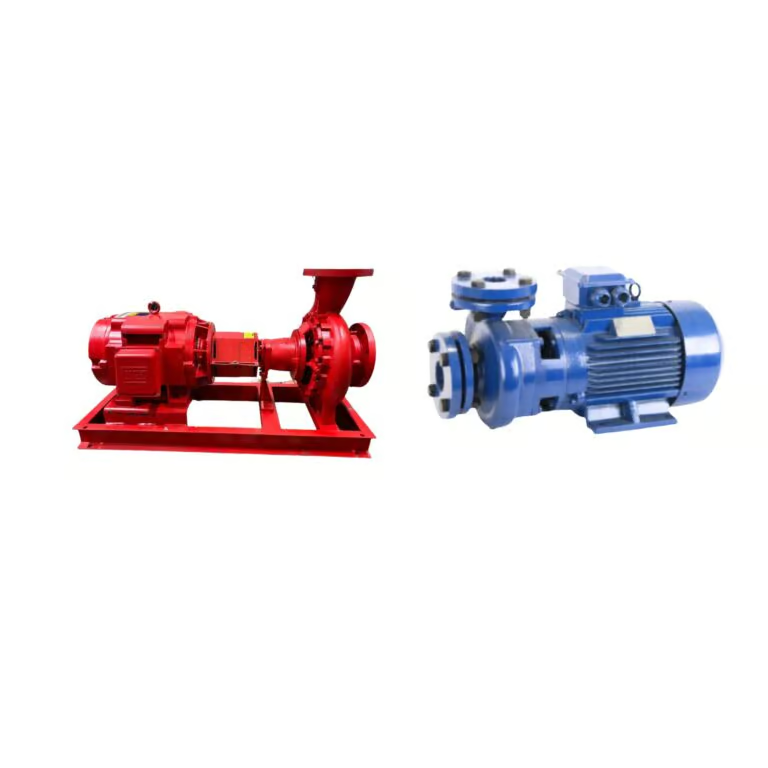
Industry: Chemical Processing Pump Type: Horizontal Split-Case Pump Services Performed: Root-cause failure analysis, mechanical seal replacement, shaft and bearing reconditioning, seal face material upgrade
The Situation: A Pump kept failing the same way
A chemical processing facility came to us after experiencing the same mechanical seal failure on a process pump three times in under a year. Each failure followed a similar pattern: a slow leak would develop, get worse over a few days, and eventually force an unplanned shutdown for repair. Each incident meant lost product, hazardous material cleanup, a few days of downtime while a replacement seal was sourced and installed, and the ongoing labor cost of maintenance staff repeatedly addressing the same issue rather than other priorities. By the third failure, the plant maintenance team suspected they were dealing with a chronic design or compatibility issue rather than bad luck but hadn’t had the chance to dig into root cause between repairs.
The financial impact of this kind of repeat failure tends to be compounded. The direct repair cost is often the smallest part of the equation — the bigger costs come from lost production during each shutdown, wasted product, cleanup and disposal of the leaked process fluid, and the opportunity cost of maintenance staff being pulled onto the same firefighting job again and again instead of preventive work elsewhere in the plant.
Identifying the problem
Because this was a repeat failure, we approached the inspection differently than a standard one-off repair: rather than just confirming the seal had failed; the goal was to understand why it kept failing. The investigation looked at the full picture — the seal itself, the shaft, the bearings, and the compatibility between the seal face material and the specific process of fluid being handled.
Three contributing factors emerged:
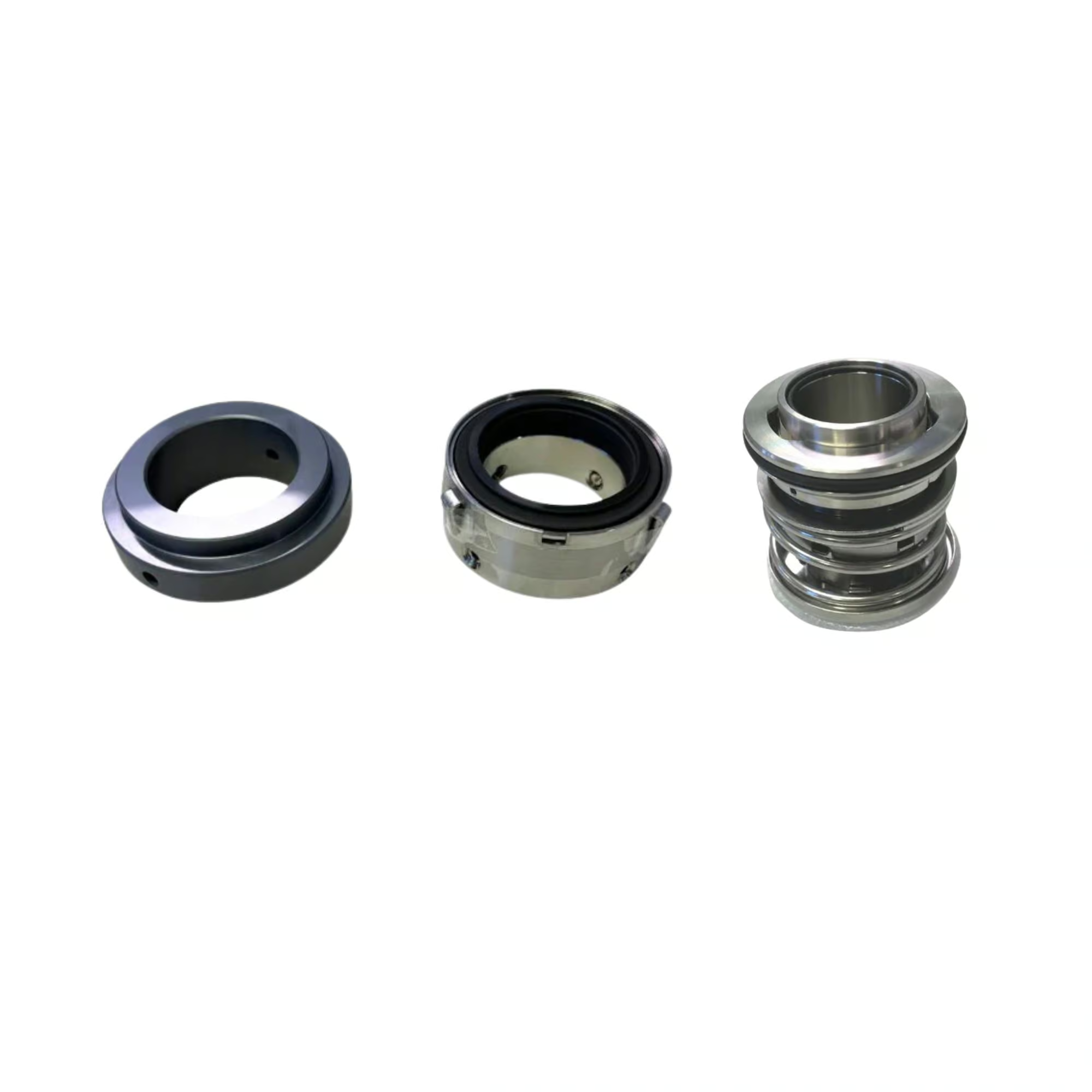
- Seal face material mismatch. The seal faces installed were a general-purpose material not well suited to the specific chemical compatibility and temperature profile of the process fluid being pumped, leading to accelerated wear well ahead of the seal’s normal service life.
- Shaft deflection. Bearing wear was found to be allowing a small amount of shaft deflection under load, which put uneven stress on the seal faces and accelerated wear further.
- General component wear. Internal pump components showed wear consistent with the seal’s repeated failure history, since a failing seal often allows contamination or pressure imbalances that affect the rest of the pump over time.
This combination explained why simply replacing the seal each time hadn’t solved the problem — the seal was, in effect, a symptom of an underlying material compatibility and mechanical tolerance issue.
The Fix
The pump was fully reconditioned to OEM specification, with the bearings replaced, and the shaft brought back within proper tolerance to eliminate the deflection issue. Rather than installing another like-for-like seal, we recommended — and the plant approved — an upgraded seal face material specifically selected for compatibility with the process fluid in question. This kind of upgrade is something we identify and recommend at no additional engineering cost whenever an inspection points to a material mismatch rather than simple wear-and-tear, since it’s often the difference between a pump that needs constant attention and one that runs reliably for years.
For a chemical processing application like this, OEM-spec components were used throughout, given how directly seal and material selection affects both safety and reliability when handling aggressive process fluids. This isn’t a case where cutting costs with generic aftermarket parts makes sense — the cost of a single repeat failure already outweighed any savings from a lower-cost part.
Turnaround Time
Because this plant had been through the failure cycle multiple times already, getting it right mattered more to them than getting it back same-day — but we still worked to minimize downtime by having the inspection, root-cause analysis, and quote completed within a couple of days of receiving the pump, so the plant could plan their production schedule around a known repair window rather than an open-ended one.
Preventing action
The core of this case was prevention. By identifying the seal material mismatch and the shaft deflection issue together, rather than treating each seal failure as an isolated event, we were able to address the actual root cause instead of the recurring symptom. We also recommended the plant add this pump to a periodic vibration and bearing condition monitoring program, so that early signs of shaft deflection or bearing wear could be caught well before they reach the point of affecting the seal again.
Result
Following the upgrade, the plant saw a significant reduction in seal-related downtime, with the pump running well past the point where the previous seals had been failing. Beyond the immediate fix, the case is a good illustration of why a full root-cause inspection — rather than a routine parts swap — matters most in applications where repeat failures are eating into both budget and production time.