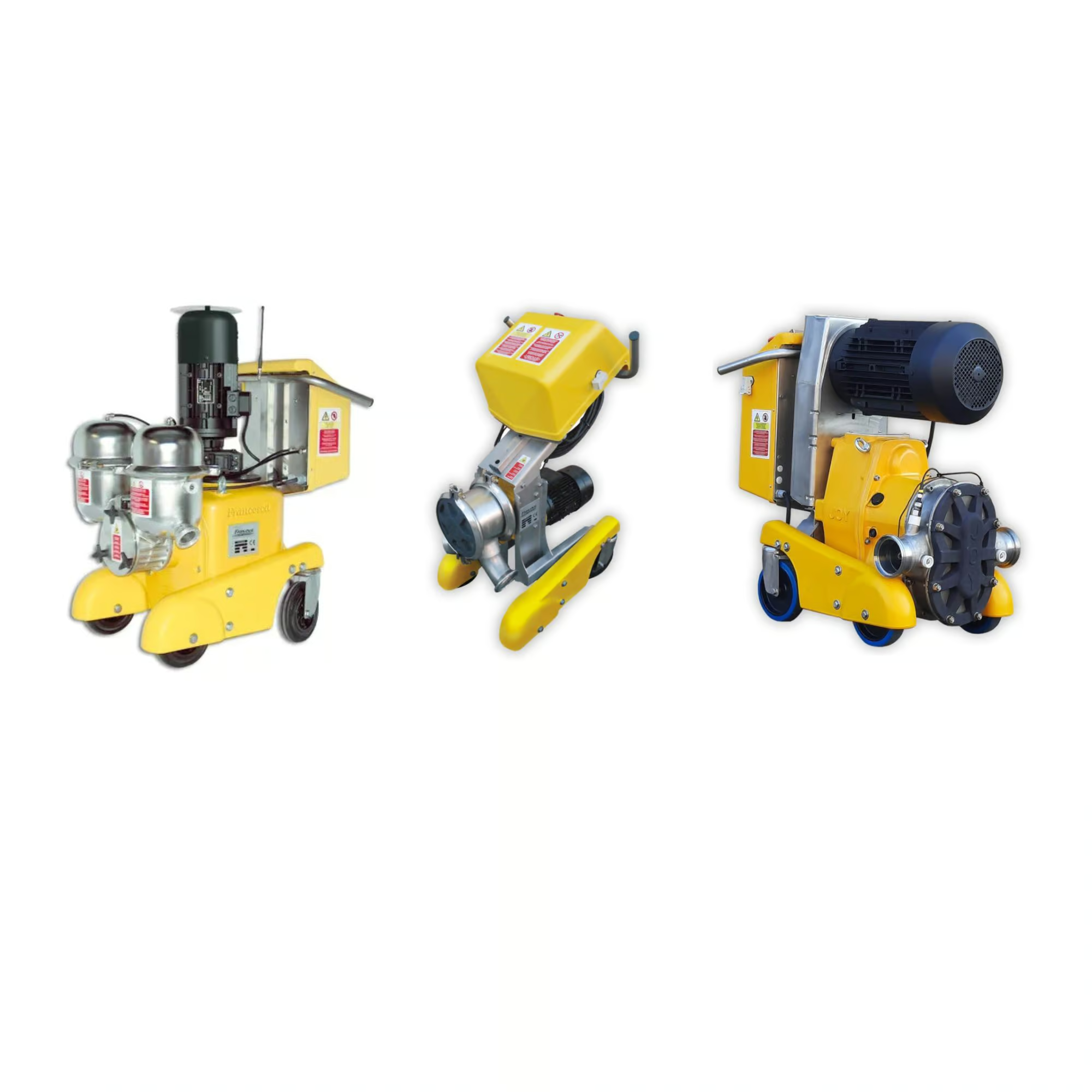
Wine pump performance issues at a Niagara Region Winery
Industry: Winery / Wine Production Pump Type: Rotary Piston Wine Transfer Pump Services Performed: Performance inspection, seal and rotor reconditioning, OEM parts replacement, pump sourcing, and upgrade consultation
The Situation: Harvest season is the worst time for pump trouble
For a mid-sized winery in the Niagara region, crush and harvest season is the single most demanding stretch of the year. Grapes, must, and pressed fruit need to move through the cellar on a tight schedule — from press to tank, tank to barrel, and barrel to bottling — and there’s very little tolerance for equipment downtime once the harvest is underway.
Partway through a recent harvest, the winery’s main transfer pump began showing reduced flow and inconsistent suction, occasionally losing prime entirely during what should have been routine racking. For a winery, this is not just an inconvenience — a pump that cannot maintain steady, gentle flow risks damaging fruit integrity, introducing excess oxygen into the wine, or leaving sediment and lees disturbed during a transfer that is supposed to be delicate. The winery’s production team estimated they were losing hours of working time each day rerouting transfers manually or running a backup pump not well suited to the gentler requirements of barrel work, all while the rest of the harvest schedule kept moving regardless. With fruit waiting to be processed and a limited window each season to get it right, every delayed transfer carried an actual cost in both labor and risk to product quality.
Identifying the problem
The pump was brought in for a full inspection. Because wine pumps — particularly rotary piston and semi-lobe designs used for must, pressed grapes, and barrel-to-barrel transfer — are built around very tight internal clearances to provide gentle, low-shear handling, even modest wear can have an outsized effect on performance compared to a typical industrial pump.
The inspection identified:
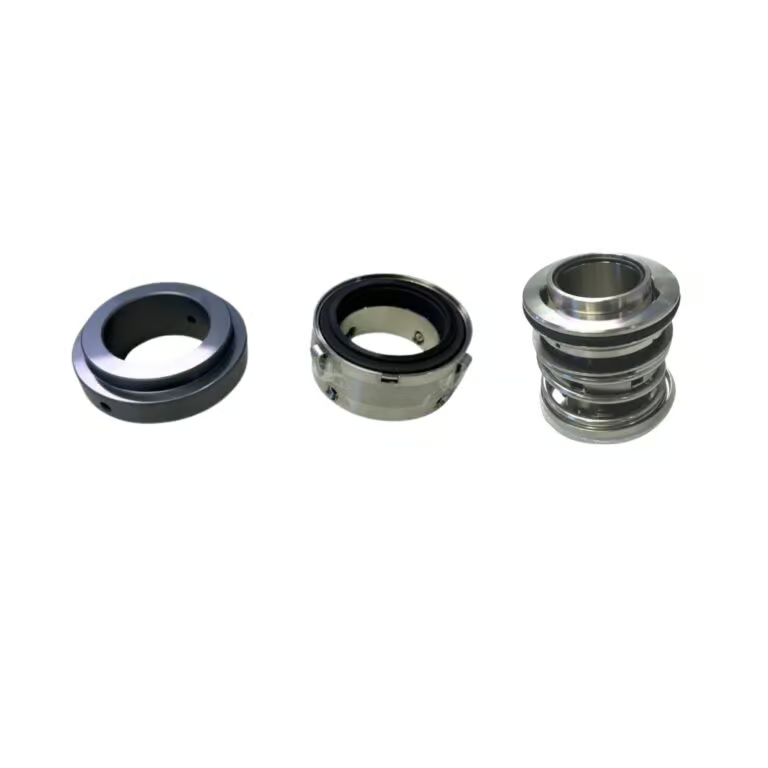
- Worn rotor seals, which had degraded from repeated cleaning and sterilization cycles combined with the abrasive nature of must and pressed grape solids, allowing air to be drawn in and causing the intermittent loss of prime.
- Surface wear on the rotary piston components, reducing the precision of the seal between chambers and contributing to the drop in consistent, linear flow that’s critical for gentle wine transfer.
- General wear consistent with high duty-cycle use during a winery’s normal seasonal pattern of intense use during harvest followed by long periods of lighter use, which can mean wear isn’t always caught early through routine observation.
A full report was shared with the winery production manager, along with photos and a clear, itemized quote, so the decision to proceed could be made quickly given the time pressure of the season.
The Solution
Given the pump’s role in delicate, food-grade wine handling, we used OEM-spec replacement parts throughout the reconditioning — rotor seals, piston components, and related wear parts were replaced to restore the precise clearances the pump depends on for its signature gentle handling characteristic. All liquid-contact components were inspected to confirm they met the stainless steel and sanitary standards required for wine production, and the unit was reassembled, tested for consistent flow and proper self-priming performance, and verified for proper sterilization compatibility before being returned to service.
As an authorized distributor for premium Italian-engineered wine pumps in addition to providing repair and reconditioning services, we were also able to advise the winery on a longer-term option: in cases where a pump has seen many seasons of heavy use, it can sometimes make more sense to source a new or upgraded unit rather than continuing to recondition an aging one. In this case, reconditioning was the right call given the pump overall condition, but the winery appreciated having both options laid out clearly rather than being steered toward a single path.
Turnaround Time
Knowing the winery was mid-harvest, we treated this as a priority job. The inspection and quote were completed quickly, and the reconditioning work — including replacement of all wear parts and full performance testing — was turned around fast enough that the winery had its primary transfer pump back in the cellar with minimal disruption to the rest of the season’s production schedule. For wineries, we understand that the harvest window doesn’t move, and a pump repair must work around that reality rather than the other way around.
Preventing It from Happening AgainPreventing It From Happening Again
Most wine pump wear comes down to a combination of cleaning chemical exposure, sanitization cycles, and the naturally abrasive nature of must and pressed fruit — so prevention is less about eliminating wear entirely and more about catching it early, before it affects a transfer mid-harvest. We recommended the winery add a pre-season inspection to its routine, ideally a few weeks ahead of crush, so that seal and rotor wear can be caught and addressed while there’s still flexibility in the schedule, rather than discovered under pressure once harvest is underway. We also walked through proper cleaning and sterilization practices to help minimize unnecessary wear on seal components between uses and discussed having a spare seal kit on hand for quick swaps during the season if needed.
The Result
The winery’s primary transfer pump was back in service in time to avoid further disruption to harvest, with flow and suction performance restored to its original gentle, consistent standard. Just as importantly, the winery now has a pre-season inspection routine in place to help avoid a repeat mid-harvest surprise, along with a clear understanding of when reconditioning makes sense versus when it’s time to consider a pump upgrade.
A note on wine pumps (process pump) sales, service & support
In addition to performing inspections, repairs, and reconditioning on wine pumps already in service, we are also an authorized distributor of premium Italian-engineered wine transfer pumps, used by wineries ranging from small estate producers to some of the most respected names in wine production worldwide. These pumps are purpose-built for the unique demands of winemaking — gentle enough to protect delicate fruit and finished wine during transfer, yet powerful enough to handle must, pressed grapes, and dregs without compromising product quality.
For wineries and winemakers, we offer:
- New pump sales, including rotary piston and semi-lobe designs engineered specifically for destemming, racking, filtration, bottling, and barrique work
- Repair and reconditioning services for existing wine pumps, using OEM-spec parts to restore original performance and sanitary compliance
- Seasonal inspection and maintenance programs, timed around crush and harvest schedules to catch wear before it becomes a mid-season problem
- Upgrade consultation, helping wineries decide between reconditioning an existing pump and investing in a new unit, based on the pump’s condition and the winery’s production needs
Wine production puts unusual demands on transfer equipment — sanitary requirements, gentle handling, frequent sterilization cycles, and a harvest schedule with very little room for delay. Whether you need a pump repaired before crushing, a seasonal maintenance check, or are considering a new pump for your cellar, our team can help.
Have a wine pump that needs attention before your next harvest? Contact our team or explore our wine pump offerings on Industrial Pump Parts.