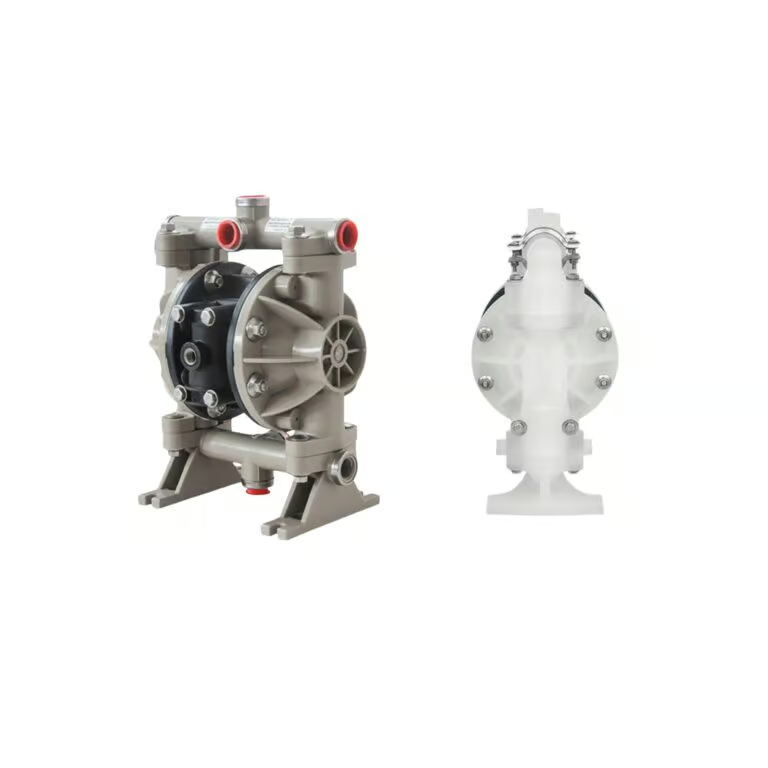
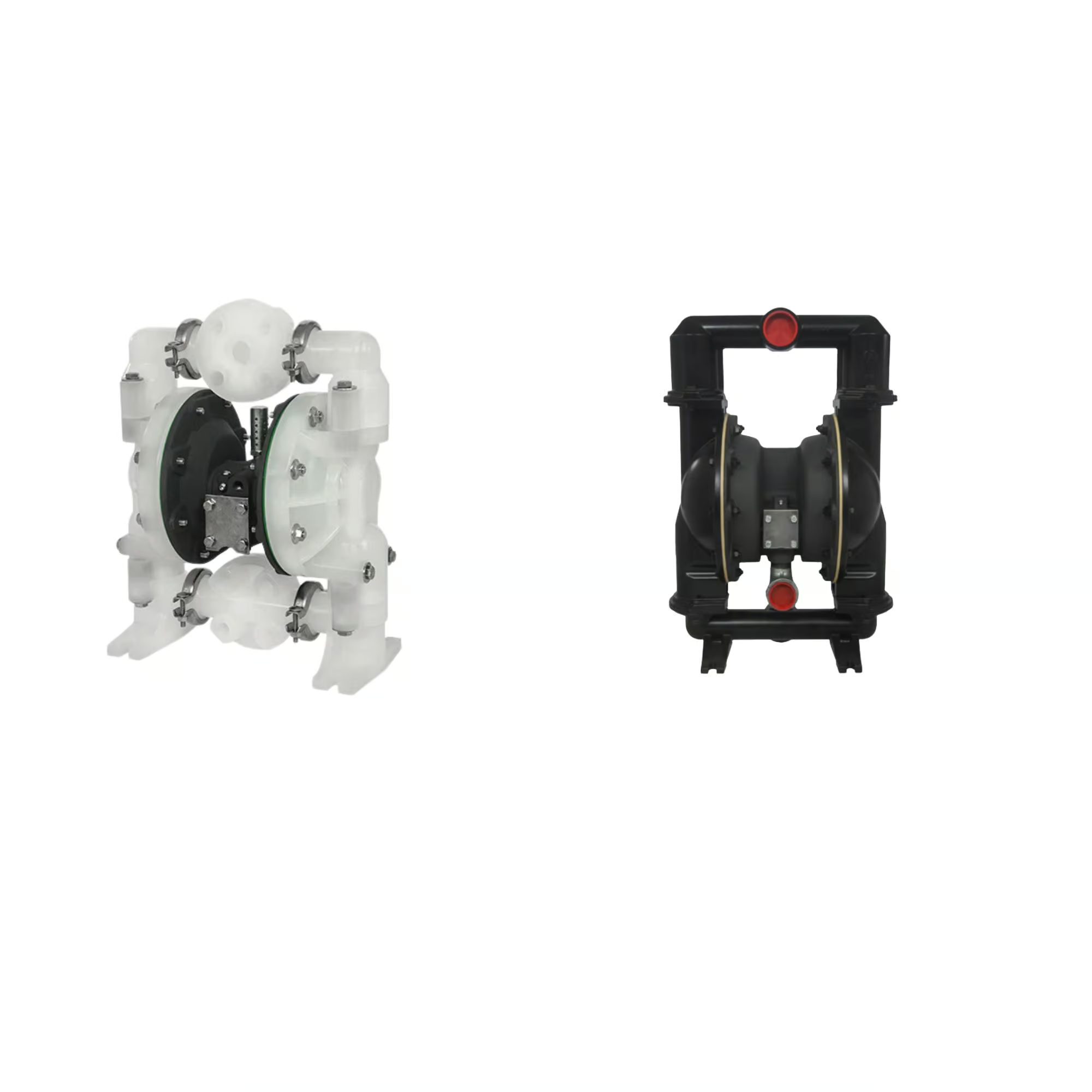
Diaphragm pump failure at a chemical dosing station
Industry: Chemical Processing / Water Treatment Pump Type: Air-Operated Diaphragm (AOD) Pump Services Performed: Diaphragm and check valve replacement, air valve service, full performance testing
The Situation: An Inconsistent Dosing Pump Raising Compliance Concerns
A water treatment facility used an air-operated diaphragm pump to precisely dose a treatment chemical into the process stream. Over time, operators noticed the dosing had become inconsistent — sometimes under-dosing, occasionally surging — which is a serious problem in a treatment process where chemical dosing accuracy directly affects compliance with discharge or treatment standards. The facility couldn’t simply wait and watch; inconsistent dosing meant a real risk of falling outside permitted operating parameters, on top of wasting treatment chemical during over-dosing periods.
The operations team had already tried adjusting the air supply pressure and stroke rate settings to compensate, which helped briefly but didn’t resolve the underlying inconsistency, and the team was growing concerned the pump might need full replacement rather than repair, with a new unit and lead time representing a significant unplanned cost.
Identifying the problem
The pump was brought in for inspection. Diaphragm pumps are common across a wide range of dosing, transfer, and processing applications precisely because of their simple, robust design — but that simplicity means failures are usually traceable to one of a small number of known wear points, and a full inspection quickly narrows down which one is responsible.
In this case, the inspection found:
- A diaphragm nearing failure, with visible flex fatigue and early signs of cracking — the most common failure point in any AOD pump, particularly in continuous dosing duty, and the most likely explanation for the inconsistent output the plant was seeing.
- Worn check valve balls and seats, allowing backflow within the pump chamber that would explain the surging behavior noticed during certain cycles.
- Minor wear in the air valve, the component that controls the pump’s shuttle action, contributing to irregular stroke timing on top of the diaphragm and check valve issues.
Three separate, modest wear issues compounding together had added up to a dosing problem serious enough to raise compliance concerns — a good illustration of why diaphragm pump troubleshooting benefits from a full inspection rather than guessing at a single part to replace.
Solution
The pump was fully reconditioned: the diaphragm was replaced before it could fail completely and risk a leak of treatment chemical, the check valve balls and seats were replaced to eliminate the backflow and surging issue, and the air valve was serviced to restore correct, consistent stroke timing. We service and repair diaphragm pumps across all of the major brands used in treatment and processing applications, including Wilden, Aro, Graco, Sandpiper, and Versa-Matic, and have access to both OEM and quality aftermarket parts for each.
For this application, given the compliance-sensitive nature of chemical dosing, we used OEM-spec diaphragm and valve components to ensure the pump’s performance characteristics — particularly stroke consistency and chemical compatibility of the diaphragm material — matched the original specification exactly. For less critical diaphragm pump applications, such as general transfer duty, a quality aftermarket rebuild kit can often be the more cost-effective choice, and we’ll discuss that option where it’s appropriate rather than defaulting to OEM in every case.
Turnaround time
Given the compliance risk, this job was prioritized from the moment the pump arrived. We were able to complete the inspection and quote quickly and, with common diaphragm, check valve, and air valve rebuild kits kept in stock for the major brands we service, the reconditioning itself was completed and the pump returned to the plant well within the window needed to avoid an extended period of manual or backup dosing.
Preventive action
Diaphragm fatigue is a wear-and-tear issue that’s manageable with the right maintenance interval rather than something that can be eliminated entirely, so our main recommendation was a scheduled diaphragm and check valve replacement interval based on the pump’s duty cycle, rather than running components to failure. We also suggested the plant consider keeping a spare rebuild kit on site for this specific pump, given how critical consistent dosing is to their compliance requirements — a same-day internal swap can prevent a repeat of the kind of inconsistent operation that triggered this inspection in the first place.
The result
Dosing accuracy was restored to specification, eliminating both the under-dosing and surging issues the plant had been compensating for manually. With a proactive replacement interval now in place for the diaphragm and check valves, the facility is in a much stronger position to maintain consistent compliance going forward, rather than reacting to the next failure as it happens.
**All brand names and trademarks mentioned are the property of their respective owners. Industrial Pump Repair Canada is an independent repair provider and is not affiliated with, authorized, or endorsed by these manufacturers. Disclaimer