Vacuum Hold-Down Loss at a Custom Millwork & CNC Shop
Industry: Kitchen Cabinet Manufacturing / Custom Millwork Pump Type: Rotary Vane Vacuum Pump Services Performed: Vane and seal replacement, vacuum chamber inspection, performance testing, preventive maintenance setup
The Situation: A CNC Router Losing Its Grip
A custom millwork shop uses a CNC router with a vacuum hold-down table to keep sheet stock and cabinet panels securely in place during cutting. Over a couple of weeks, the shop’s operators noticed panels shifting slightly during longer cuts — barely enough to notice at first, but enough to start showing up as inaccurate cuts and the occasional ruined panel. As the vacuum gauge readings kept dropping, the shop had slowed feed rates to compensate and eventually started running smaller batches to reduce the risk of a panel moving mid-cut.
For a shop running on tight production schedules and material costs that add up fast, this kind of slow decline is expensive in a way that’s easy to underestimate. Every ruined panel meant wasted material and labor to re-cut it. Slower feed rates meant fewer parts produced per shift. And the shop’s maintenance lead had already spent time trying to chase the issue by checking hoses and fittings for leaks, without finding an obvious culprit — time that could have gone toward production instead.
Identifying the Problem
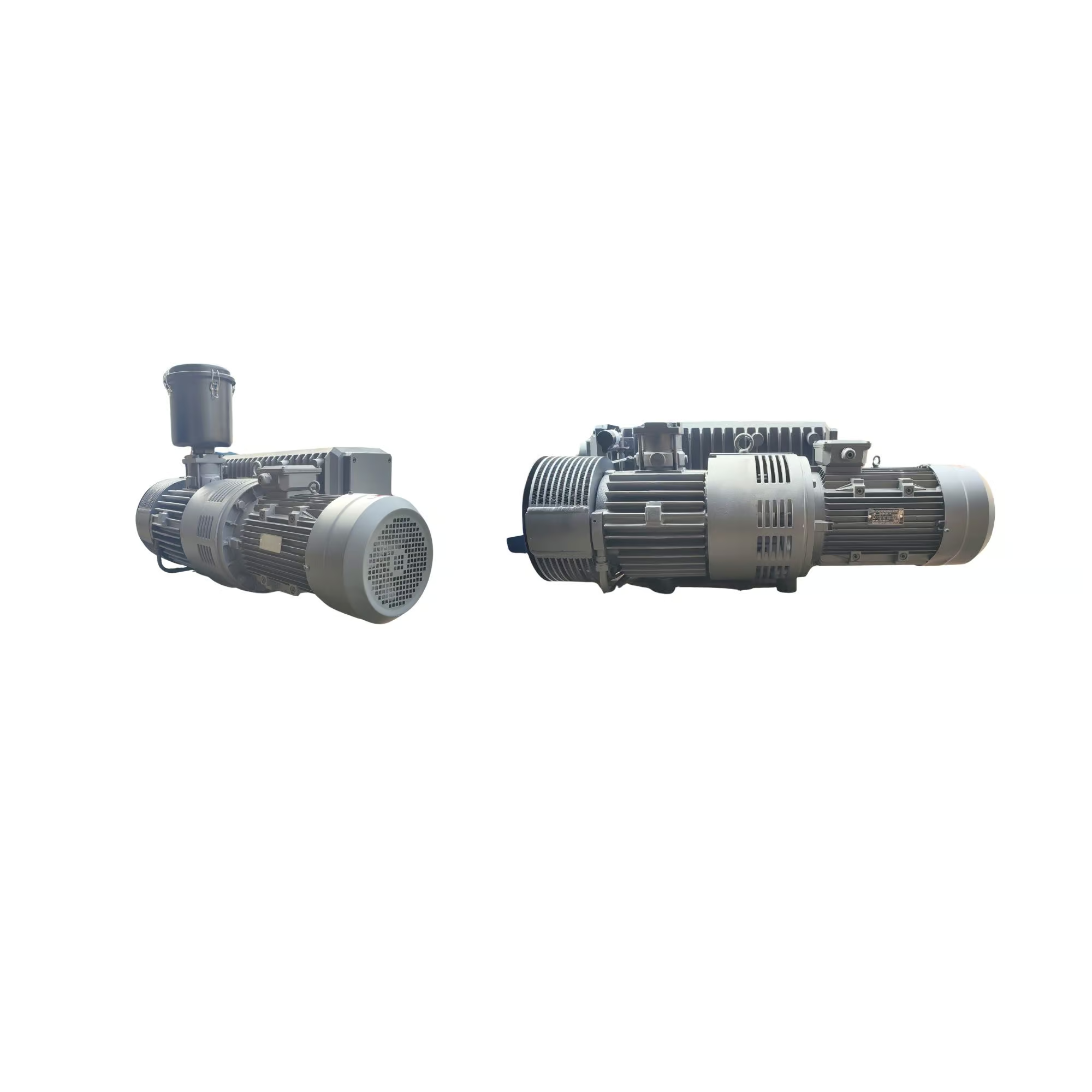
The vacuum pump was pulled and brought in for a full inspection. Rotary vane pumps used in CNC hold-down applications are particularly sensitive to vane and seal wear, since the entire system depends on the pump’s ability to pull and hold a consistent vacuum level under continuous duty cycles — exactly the kind of constant, all-shift operation this shop was running under.
The inspection found:
- Worn carbon vanes, the most common wear point in rotary vane vacuum pumps, with reduced vane length no longer maintaining proper contact with the pump housing and resulting in a steady loss of vacuum efficiency.
- Degraded shaft seals, allowing a small amount of air ingress that compounded the vane wear issue and explained why the problem had been gradually worsening rather than appearing all at once.
- Fine sawdust contamination inside the pump housing, consistent with the wood dust environment the shop operates in — a common contributing factor for vacuum pumps running in woodworking and millwork settings without adequate inlet filtration.
This combination explained why the shop’s own troubleshooting hadn’t found anything — the issue wasn’t in the hoses or fittings at all, but inside the pump itself, in components that aren’t visible without a full teardown.
The Fix
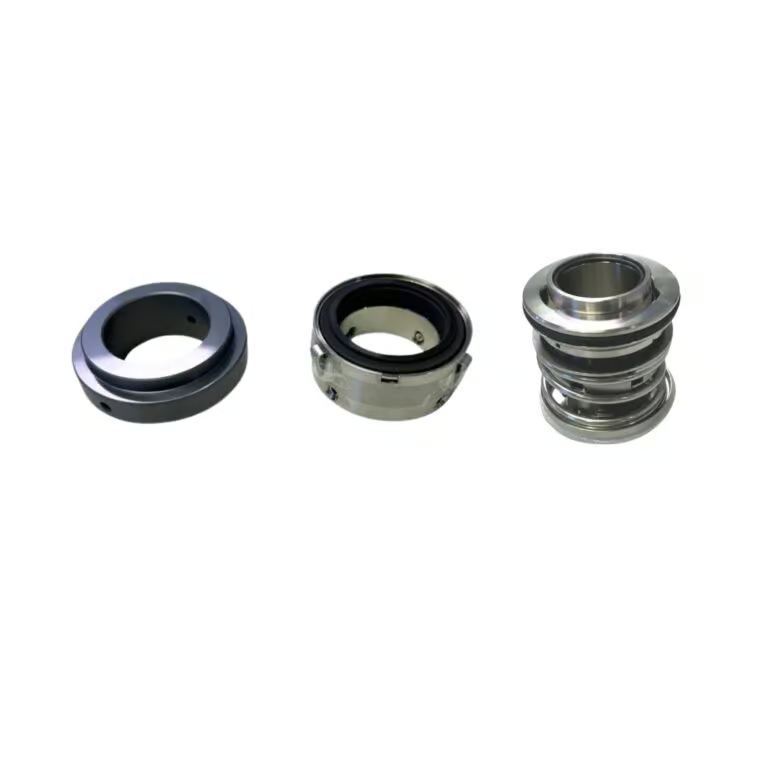
The pump was reconditioned with a new set of vanes and shaft seals, sized and specified to match OEM tolerances for the unit’s brand and model. The housing was cleaned of sawdust contamination, and we checked the inlet filtration setup to confirm it was adequate for the dust levels typical of a millwork environment going forward. Once reassembled, the pump was tested to confirm it was pulling and holding vacuum levels consistent with its original rated performance before returning to the shop.
For rotary vane vacuum pumps in industrial hold-down applications, we typically recommend OEM-spec vanes and seals specifically, since vane material and tolerance directly affect both vacuum performance and the rate of future wear — using a lower-spec generic vane kit is one of the most common reasons we see repeat vane failures in shops that have tried to self-repair or used a lower-cost provider previously.
Turnaround Time
Because the CNC router was effectively down to reduced-capacity operation, we treated this as a priority repair. The inspection and quote were turned around quickly, and with vane and seal kits for common industrial vacuum pump brands kept on hand, the reconditioning itself didn’t require a long wait on parts — the shop had its pump back and the router back to full production speed well within the window needed to avoid a larger backlog.
Preventing It from Happening Again
Sawdust contamination was a clear contributing factor here, so the most impactful recommendation was around filtration: we suggested an upgraded inlet filter and a regular filter inspection and replacement schedule to keep fine dust out of the pump going forward, since this is one of the most preventable causes of vane wear in woodworking and millwork applications. We also recommended the shop add vacuum level monitoring to their daily startup checks, so a gradual decline like this one gets caught within days rather than weeks, before it starts affecting cut accuracy.
The Result
The CNC router regained full, consistent hold-down vacuum, allowing the shop to return to normal feed rates and batch sizes without the risk of panel shift. With improved filtration and a simple daily vacuum check now in place, the shop is better positioned to catch the next instance of wear early, long before it affects production quality.