Vacuum loss in a food packaging plant’s MAP Sealing Line
Industry: Food Processing & Packaging (Vacuum Sealing / Modified Atmosphere Packaging) Pump Type: Liquid Ring Vacuum Pump Services Performed: Full inspection, seal and bearing replacement, liquid ring system flush and reset, sanitary compliance check
The Situation: Inconsistent Seals on a Packaging Line
A food packaging facility running a modified atmosphere packaging (MAP) line began seeing an increase in rejected packages — seals that weren’t pulling down fully, leaving trapped air in the product that was supposed to be vacuum-sealed or gas-flushed to extend shelf life. For a packaging operation, inconsistent seal quality isn’t just a cosmetic issue; underfilled vacuum levels can mean reduced shelf life, an increased risk of spoilage reaching a customer, and in a food safety context, a serious quality control concern that can’t be ignored or worked around for long.
The plant quality control team was catching most of the bad seals before product shipped, but that meant a growing rework and scrap rate, plus line slowdowns as operators pulled and re-ran questionable packages. Over a few weeks, the plant was losing real production time and product to the issue, and with food safety audits on the calendar, leadership wanted it to resolve properly rather than patched temporarily.
Identifying the Problem
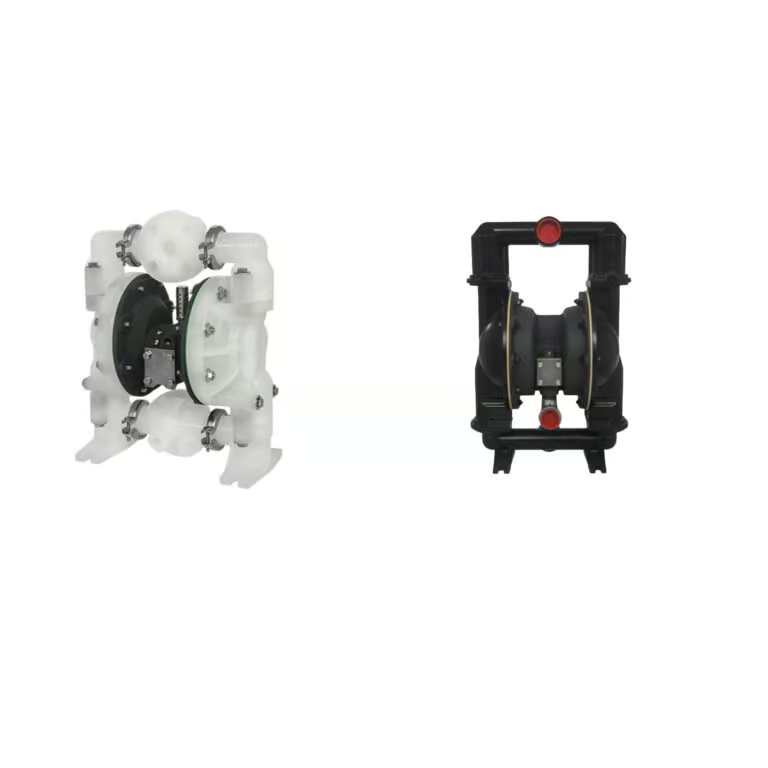
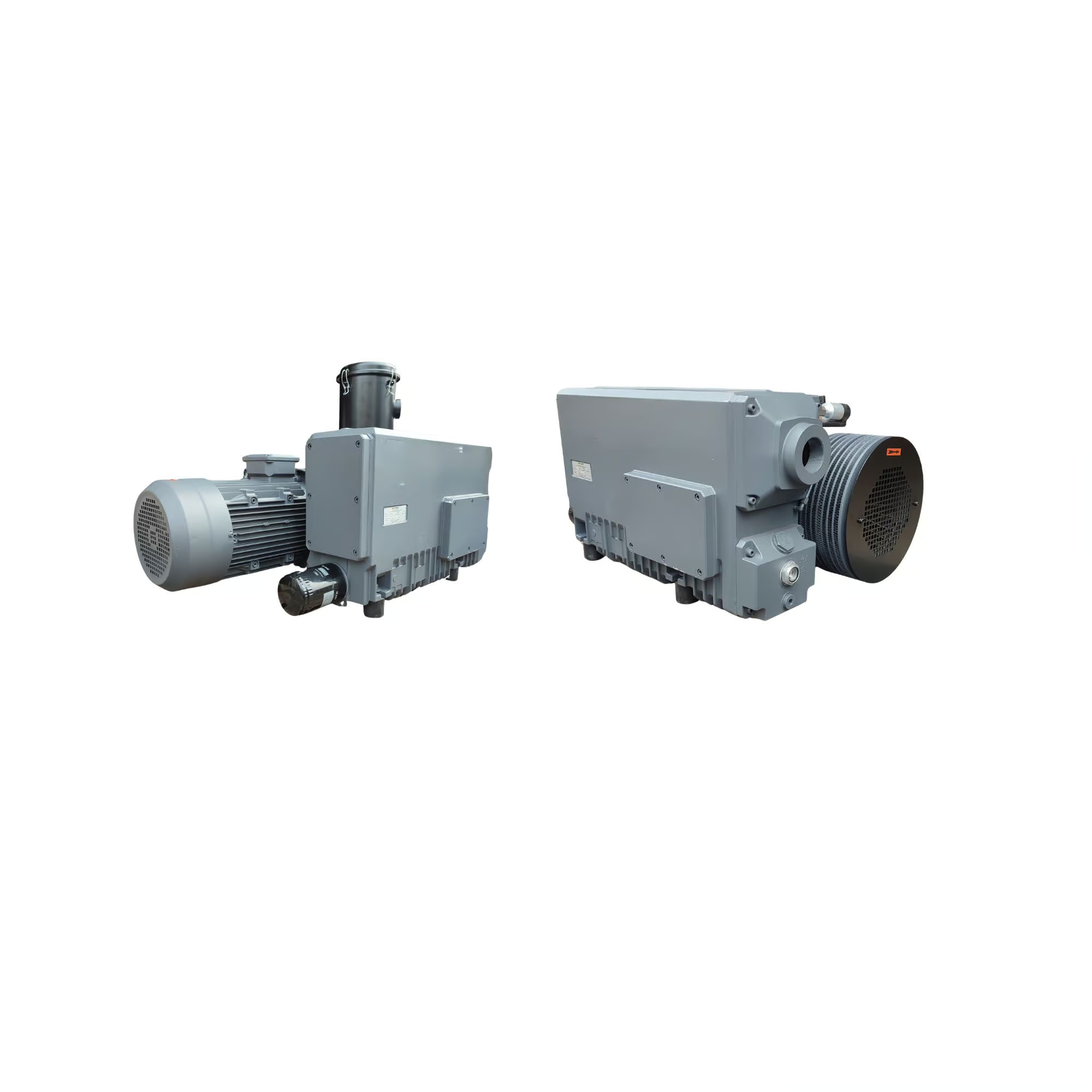
The liquid ring vacuum pump serving the MAP line was pulled for inspection. Liquid ring pumps are common in food and beverage vacuum applications because of their gentle, contamination-resistant operation, but they depend on a properly maintained seal liquid system and tight internal clearances to perform consistently.
The inspection identified:
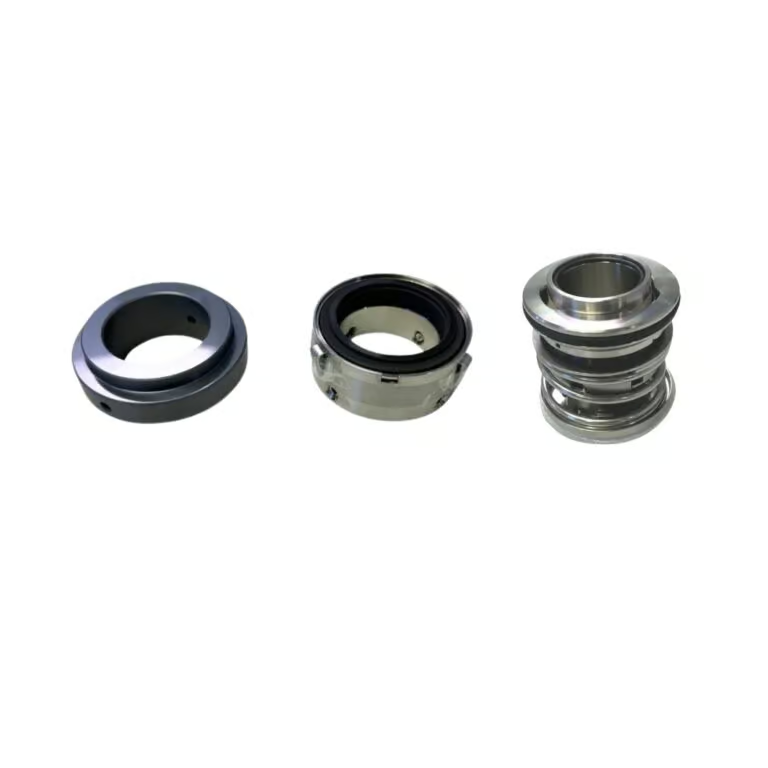
- Mechanical Seal and bearings failure, reducing the pump’s ability to maintain consistent vacuum levels under the sustained, repetitive duty cycle of a packaging line running multiple shifts.
- Degraded seal liquid quality and level, which had allowed for inconsistent performance and likely contributed to the gradual, intermittent nature of the sealing problems rather than a single clear failure point.
- Mineral and product buildup inside the liquid ring chamber, a common issue in food-grade applications over time, which was reducing the pump’s effective displacement and contributing to the inconsistent vacuum draw.
This pattern of gradual, intermittent failure — rather than a sudden breakdown — is typical of liquid ring pump wear, and it’s exactly the kind of issue that’s easy to misdiagnose as a packaging machine or seal-bar problem rather than a vacuum supply issue, unless the pump itself is inspected directly.
The solution
The pump was reconditioned with new seals and bearings to restore consistent performance, the liquid ring chamber was cleaned and flushed of buildup, and the seal liquid system was reset and configured according to the manufacturer’s specification for food-grade operation. All work was carried out with sanitary compliance in mind, given the pump role in a food production environment, and the unit was tested to confirm stable, consistent vacuum draw under continuous run conditions before being returned to the plant.
Given the pump’s role directly upstream of a food safety-sensitive process, we used OEM-spec parts for the seal and bearing replacement to ensure performance and reliability matched the original equipment standard, rather than introducing variability with a generic part at a stage of the process where consistency really matters.
Turnaround Time
With an audit on the calendar and rework costs mounting daily, this was treated as a priority job. We completed the inspection and provided a clear report and quote quickly, and the reconditioning was turned around fast enough that the plant had the pump back in service well ahead of their audit date, with documentation available to demonstrate the corrective action taken.
Preventing it from happening again
Since seal liquid quality and chamber buildup were contributing factors, we recommended the plant add a seal liquid quality check and chamber inspection to its routine maintenance schedule, rather than waiting for performance symptoms to show up downstream on the packaging line. We also suggested they log vacuum levels at the pump itself, not just the packaging machine readout, so that future drift in pump performance gets identified early and attributed correctly, rather than being mistaken for a packaging equipment issue.
The Result
The MAP line returned to consistent, reliable seal quality, reject and rework rates dropped back to normal levels, and the plant had clear documentation in place ahead of their food safety audit. The case is also a good example of how a packaging quality issue can have its real root cause upstream, in the vacuum supply itself, rather than in the packaging equipment everyone assumes is to blame first.