Warning Signs Your Centrifugal Pump Needs Repair Before It Fails on the Line
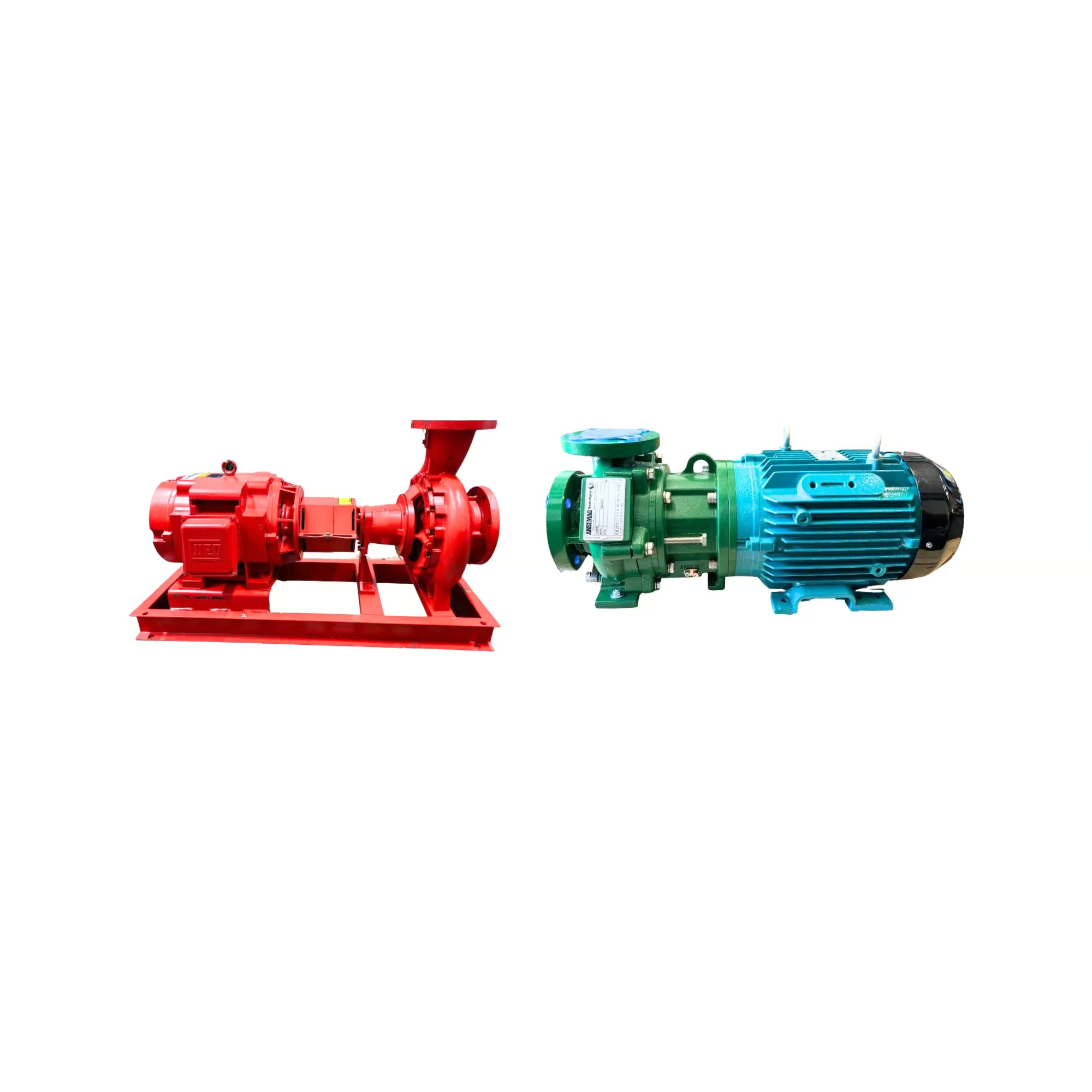
Centrifugal pumps are the workhorses of Southern Ontario’s manufacturing, food and beverage, chemical processing, and municipal facilities. They’re reliable — until they’re not. And when a centrifugal pump fails without warning, it rarely fails quietly. It takes a production line, a batch, or a shift with it.
The good news: centrifugal pumps almost always tell you they’re struggling before they actually quit. Here are five signs your plant’s maintenance team should never ignore.
1. A Change in Noise or Vibration
A healthy centrifugal pump has a consistent hum. If that hum turns into rattling, knocking, or a high-pitched whine, something inside has changed — usually bearing wear, impeller damage, or cavitation. Cavitation in particular sounds like the pump is “pumping gravel,” and it’s one of the fastest ways to destroy an impeller and shaft.
Why it matters: vibration issues rarely stay contained to one component. Left alone, they migrate to the seal, the bearings, and eventually the motor coupling — turning a same-day fix into a full rebuild.
2. Falling Flow or Pressure
If your pump used to hit a certain output and now consistently falls short, the cause is usually one of a few things: impeller wear, a clogged suction line, worn wear rings, or air entering the system (entrained air will tank performance fast). Southern Ontario plants running abrasive or high-solids fluids — food waste, slurry, wastewater — see this especially often as impellers erode over time.
Why it matters: underperforming pumps don’t just slow production, they force other equipment to work harder to compensate, which spreads wear across the system.
3. Seal Leaks (Even Small Ones)
A dry, mechanical seal is designed to run leak-free. Any weeping, dripping, or visible fluid at the seal chamber is a sign the seal faces have lost contact — from misalignment, dry running, chemical attack, or simple end-of-life wear. In facilities handling caustic, corrosive, or hazardous fluids, this isn’t just a maintenance issue, it’s a safety and compliance one.
Why it matters: a seal that’s leaking today is a seal that will fail completely tomorrow. Mechanical seal repair is one of the fastest, most cost-effective interventions available — but only if it’s caught before the shaft or sleeve is damaged too.
4. Rising Energy Draw
If the motor amperage on a pump has crept upward over weeks or months with no change in output, the pump is working harder to move the same (or less) fluid. Common culprits are internal wear increasing recirculation, a misaligned coupling, or bearing drag.
Why it matters: this is the quietest warning sign on this list — nothing looks or sounds wrong yet — but it’s often the earliest indicator available, and it shows up directly on your utility bill.
5. More Frequent “Minor” Repairs
One seal replacement is normal wear and tear. Three seal replacements on the same pump in a year is a pattern — usually pointing to a root cause like misalignment, pipe strain, cavitation, or the wrong seal type for the application in the first place.
Why it matters: repeated repairs on the same unit usually cost more over 18 months than a proper root-cause diagnosis and one correct repair.
When to Call a Repair Specialist
Southern Ontario plants — from Hamilton and Stoney Creek through Halton, Niagara, Peel, and out to London and Kitchener — run centrifugal pumps around the clock, and unplanned downtime has a real dollar figure attached to it. Catching these five signs early is the difference between a scheduled repair and an emergency shutdown.
Industrial Pump Repair Canada is ISO 9001 certified and has been diagnosing and repairing centrifugal pumps across Southern Ontario for decades — from single mechanical seal swaps to full impeller and shaft rebuilds. If your team is seeing any of the signs above, request a quote or call 1-844-291-6609 before a minor issue becomes an unplanned outage.